
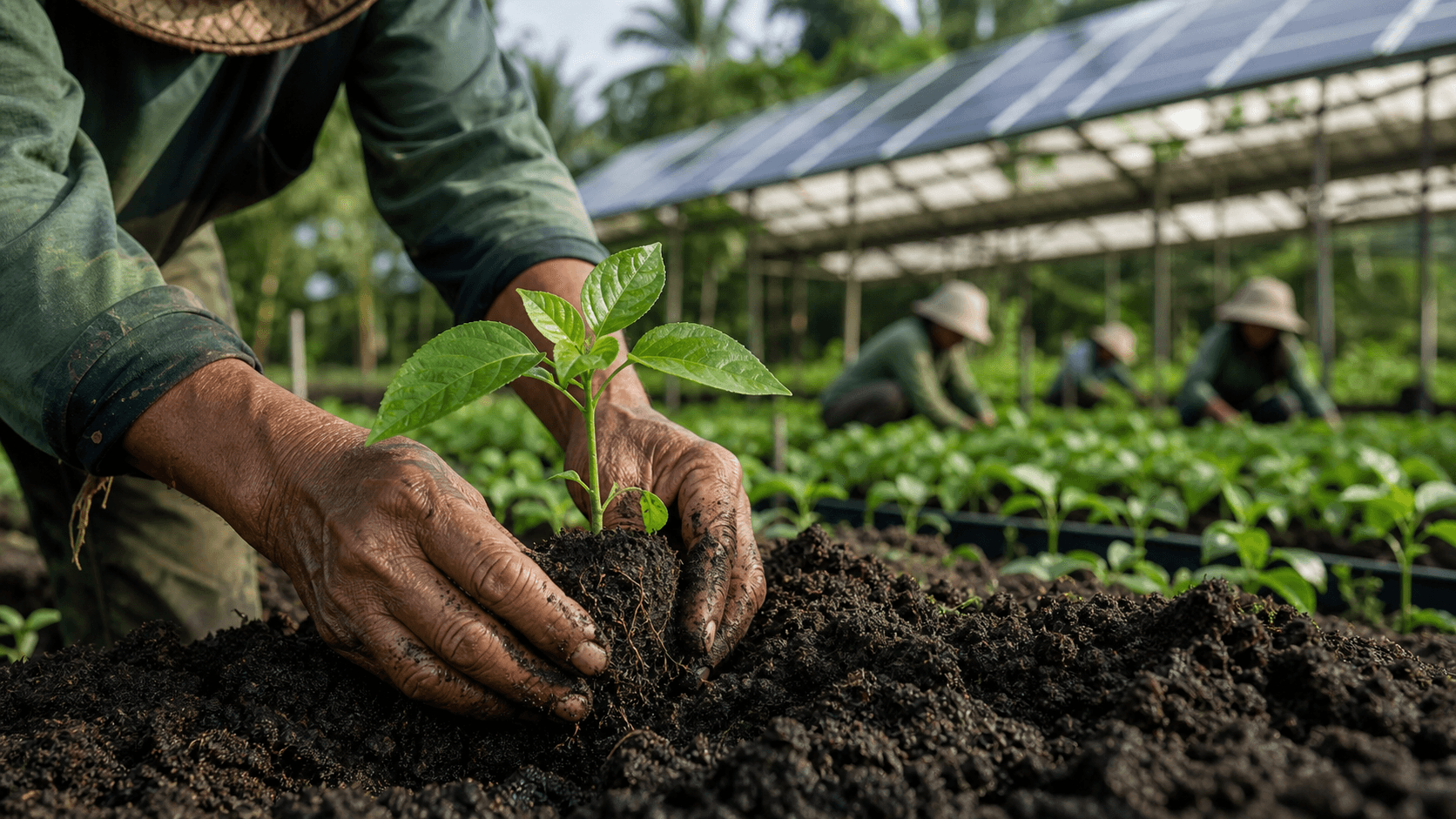
For a smallholder coffee cooperative, the difference between surviving and thriving came down to one thing: getting paid fairly, and getting paid fast.
For generations, the rhythm of harvest season was defined as much by anxiety as it was by hard work. Farmers spent months carefully tending high-altitude coffee trees, hand-picking cherries at peak ripeness, and painstakingly processing the beans. Yet, once the crop was bagged and ready for market, control slipped entirely out of their hands.
Traditionally, global agricultural trade forced smallholder farmers through a long chain of local buyers, brokers, exporters, and international traders. By the time a premium lot reached roast works across the globe, up to 90% of its financial value had been siphoned off by middlemen. Worse still, payment delays stretching 60 to 90 days meant cooperatives frequently lacked the immediate working capital needed to purchase fertilizer, pay pickers, or invest in next season's crop.
The Turning Point
The cooperative’s trajectory shifted when they moved away from traditional export brokers and integrated their sales onto Farmsent—the world’s first decentralized Web3 agricultural marketplace.
By creating a direct digital pipeline between origin producers and global roasters, the cooperative dismantled the opaque layer of local trading agents.
“For the first time, we knew exactly what our harvest was worth before we sold it — and we were paid the same day.”
By selling directly through the marketplace and settling on-chain, the cooperative bypassed the layers of intermediaries that had historically eroded their margins.
How On-Chain Settlement and DePIN Rewrite Agri-Trade
The transformation wasn't just about cutting out middlemen—it was about replacing ambiguity with cryptographic trust:
Transparent Pricing: Through Farmsent’s direct listing portal, the cooperative set prices tied directly to the real market value and quality score of their green beans, rather than accepting arbitrary local buy rates.
Automated Smart Contract Finance: Rather than waiting months for wire transfers or paper invoices to clear, purchase agreements were locked into blockchain smart contracts. As soon as delivery and quality standards were verified, payment was settled on-chain instantly.
Traceability via DePIN: Equipped with decentralized physical infrastructure networks (DePIN) and digital product passports, the cooperative verified the origin, soil conditions, and storage environment of every shipment. Buyers received verifiable proof of quality, while the cooperative earned a premium for their sustainable farming practices.
The Ripple Effect: Beyond the Balance Sheet
Immediate liquidity and fair profit realization changed everything. With same-day on-chain settlement, the cooperative no longer had to take out high-interest loans to cover operational costs between harvest cycles.
- Reinvestment in Quality: Profits were funneled directly back into community processing infrastructure, solar dryers, and sustainable farming techniques.
- Community Security: Farmers were able to pay workers immediately and secure household income without relying on unpredictable credit lines.
- True Ownership: The cooperative transformed from passive price-takers at the bottom of the supply chain into empowered international trade partners.
Reimagining Agriculture Together
Agriculture doesn't have to be a system where the people doing the hardest work earn the least. By leveraging blockchain technology to bring transparency, speed, and fairness to global trade, Farmsent is ensuring that coffee farmers receive the true value of every bean they grow.