
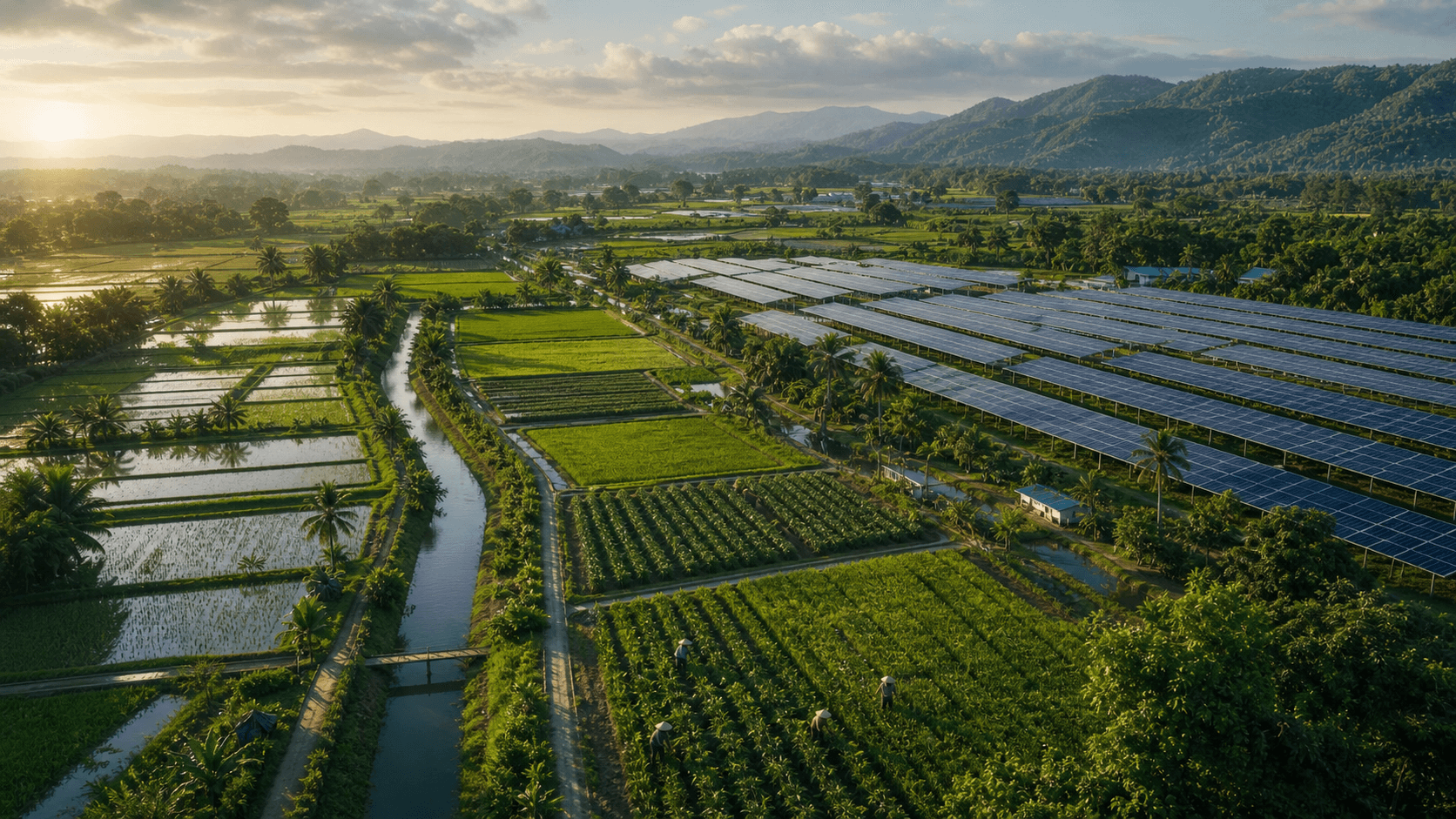
Decentralized Physical Infrastructure Networks (DePIN) are quietly becoming one of the most important building blocks of a resilient food system. By tying real-world hardware — sensors, gateways, and settlement rails — to on-chain incentives, DePIN turns fragmented supply chains into transparent, verifiable networks.
The problem with opaque supply chains
For most of history, the journey from farm to buyer has been a black box. Middlemen capture margin, provenance is unverifiable, and farmers absorb the risk of every price swing and quality dispute along the way.
You cannot fix what you cannot see. Infrastructure that makes the supply chain legible is the precondition for making it fair.
Where DePIN changes the equation
By deploying networked hardware at the physical layer and anchoring its data on-chain, every stage of production becomes measurable and auditable in real time.
- Environmental sensors stream soil, weather, and humidity data on-chain.
- Product passports capture provenance at every hop of the journey.
- Settlement rails pay farmers directly, removing layers of intermediaries.
The result is a supply chain that rewards good practice, prices risk accurately, and returns more value to the people who grow the food.